
NerveCalm Reviews 2026: What Users Actually Say


If you’ve been dealing with that annoying combo of tingling, burning, pins and needles, numbness, or “my feet feel weird and I can’t explain it”, then yeah, you’ve probably seen NerveCalm pop up.
Maybe in a Facebook group. Maybe a friend mentioned it. Maybe you typed “best supplement for nerve discomfort” at 1:13 AM because your legs would not chill out.
This post is a straight up look at NerveCalm reviews heading into 2026, what users keep saying, what patterns show up again and again, and what you should realistically expect if you’re thinking about trying it.
Not medical advice. Not a replacement for seeing a clinician. But it is meant to be useful, and honest.
Quick context: what people mean when they say “nerve issues”
Before we even talk about NerveCalm, it helps to name the thing people are describing in reviews. Because “nerve discomfort” is a bucket.
People usually mean stuff like:
- Tingling in feet or hands
- Burning sensation in toes, soles, fingers
- Numb patches that come and go
- “Crawly” feelings, buzzing, zaps
- Sensitivity to temperature
- Pain that’s worse at night
- Restless legs type discomfort where you cannot get comfortable
And the causes can be all over the place.
Diabetes. Vitamin deficiencies. Med side effects. Back issues. Carpal tunnel. Long term alcohol use. Thyroid stuff. Autoimmune problems. Post viral. Or just… aging, inflammation, and bad luck.
That’s why supplement reviews can look contradictory. Two people can take the same product, for the same symptom, with totally different underlying causes. So one person says “life changing” and another says “did nothing”.
That’s not a cop out. It’s just reality.

What is NerveCalm, in plain English
NerveCalm is marketed as a supplement aimed at supporting nerve comfort and function. Usually the pitch is some combination of:
- Supporting nerve health and signaling
- Helping reduce occasional tingling or discomfort
- Promoting calm, normal nerve function
- Supporting circulation and inflammation balance
Depending on the exact NerveCalm product you’re looking at, the formula can vary. That’s important. A lot of people don’t realize there are different “NerveCalm” branded products floating around online, and sometimes people review one version while you’re about to buy another.
So step one, honestly. Make sure you know exactly what you’re buying and from where.
A note on ingredients (because this matters for reviews)
Most nerve focused supplements tend to revolve around a familiar set of nutrients and herbs, like:
- B vitamins (especially B1, B6, B12)
- Alpha lipoic acid
- Acetyl L carnitine
- Magnesium
- Turmeric or other anti inflammatory support
- Herbs used for calming or circulation
If you’re reading NerveCalm reviews, watch for people mentioning “B vitamins” or “ALA” or “magnesium” because sometimes what they’re feeling is basically a response to those categories.
Also, and this is not a tiny detail, B6 can be helpful for some people but high doses long term can be a problem for others. So if someone reviews it saying they felt worse, or felt weird symptoms, it may not be “the supplement is bad” so much as “their body did not like that dose”.
Again. context.
What users actually say in NerveCalm reviews (the common themes)
When you read a pile of reviews, you start seeing the same points repeated. Not word for word, but the vibe is consistent.
Here are the patterns people most commonly report.
1. “It helped, but not instantly”
A lot of positive reviews include a line like:
- “Took a couple weeks.”
- “Not overnight, but I noticed it gradually.”
- “The first bottle I wasn’t sure, second bottle I could tell.”
This is a big one because people often expect supplements to act like painkillers. Most don’t. If a supplement is helping nerve health, it’s often more like “less intensity over time” than “gone tomorrow”.
What users describe when it’s working is usually:
- Nighttime burning becomes less intense
- Tingling is still there but less frequent
- They sleep better because it’s not keeping them up
- Feet feel “warmer” or more normal
- Walking feels easier because they’re not constantly distracted by symptoms
Not everyone, obviously. But that’s the common story from satisfied users.
2. The “sleep improvement” reviews show up a lot
This surprised me a little, but it keeps coming up. People will start reviewing a nerve supplement and then half the review is basically:
- “I’m sleeping again.”
- “I’m not waking up from burning feet.”
- “The nighttime buzzing calmed down.”
Even when the pain itself isn’t fully gone, sleep improvement is often what makes people feel like it was worth it. Because if you don’t sleep, everything feels worse. Pain, mood, anxiety, coping, all of it.
Some people also mention feeling “calmer” in general, which may or may not be a nerve thing. Could be magnesium type effects. Could be placebo. Could be that less discomfort simply makes you less stressed. Hard to separate.
3. A chunk of users say “it didn’t work for me”
You’ll see this in almost every supplement review set. The tone is usually:
- “No change after one bottle.”
- “Did not notice anything.”
- “Maybe it helps others but not me.”
And if you look closer, these reviews often have one of these factors:
- They tried it for a short time (like 1 to 2 weeks)
- Their symptoms are severe or long standing
- They may have an underlying condition that needs medical treatment, not just support
- They are on medications, or have complex health situations
- They expected a full cure
There are also people who are very consistent and still didn’t benefit. That’s also real. Supplements are not guaranteed.

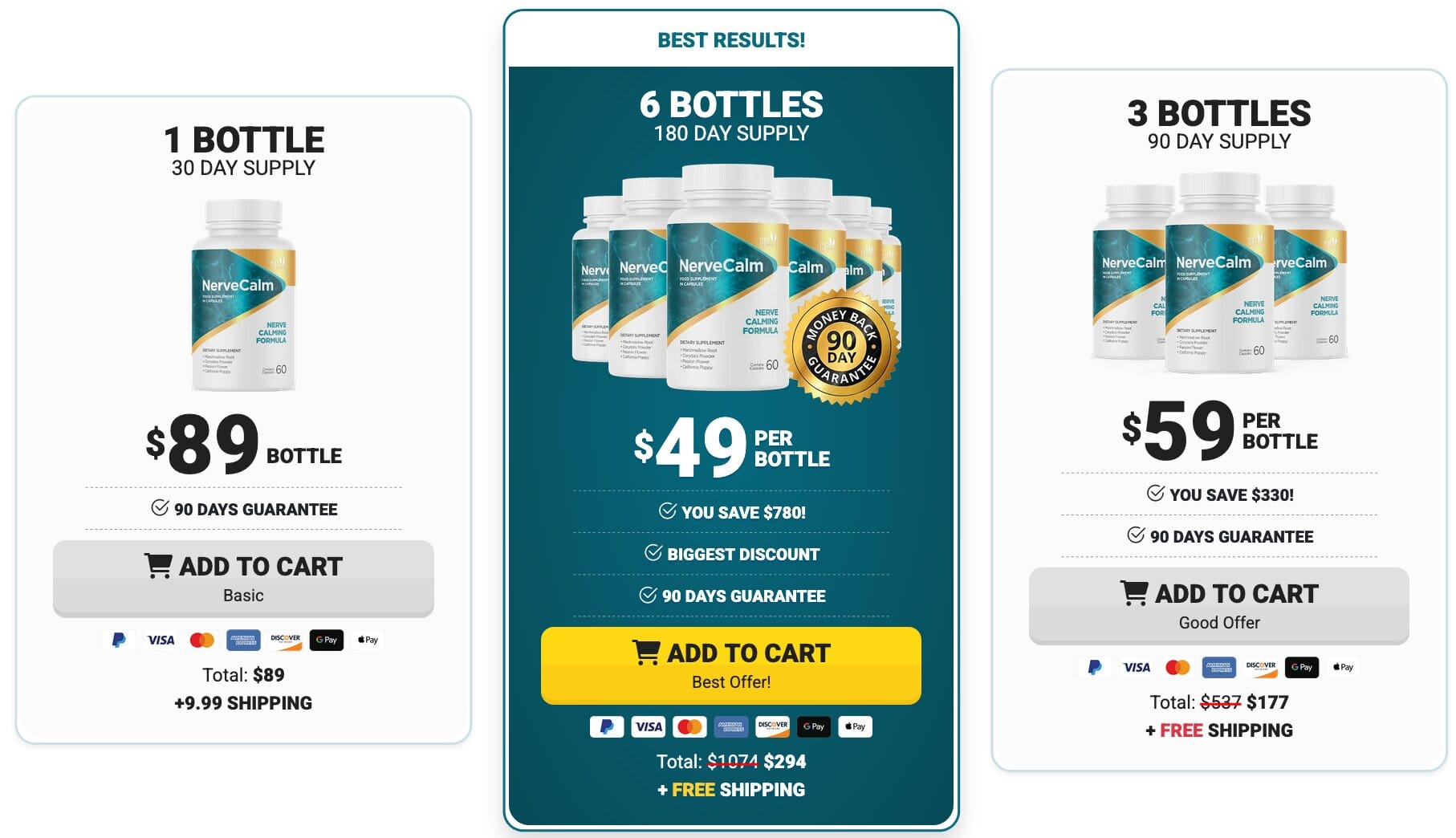
4. The “too expensive” complaint is common
Even some positive reviews will say:
- “I like it but it’s pricey.”
- “Works, but I can’t afford it monthly.”
- “Wish there was a bigger bottle discount.”
This matters because nerve symptoms are not usually a one time thing. If someone feels better, they often keep taking it. So cost becomes part of the review.
5. Some users mention stomach upset or headaches
This is not universal, but it shows up.
Common complaints include:
- Mild nausea
- Upset stomach if taken without food
- Headaches in the first few days
- Feeling “off” or jittery
This is where ingredient sensitivity comes in. If the formula includes higher dose B vitamins, or certain herbs, some people will react.
A really common review workaround is:
- “I take it with a meal now and it’s fine.”
- “I started with half dose.”
That doesn’t mean you should do that. It just means that’s what people report doing.
6. Reviews often mention combining it with other changes
This is important, because it complicates the “did NerveCalm do it?” question.
A lot of positive reviews include lines like:
- “I also cut sugar.”
- “I started walking more.”
- “I added magnesium.”
- “I improved my diet.”
- “My doctor put me on B12 shots.”
- “I stopped drinking.”
So you’re not always reading a clean experiment. You’re reading real life. And real life is messy.
The best reviews, honestly, are the ones where people say exactly what else they did. Because then you can interpret it more fairly.
Get NerveCalm Today@Money Back Guarantee Here
What users say about results timing (realistic expectations)
Based on the overall pattern of supplement reviews in this space, people tend to fall into a few timing buckets:
Some people feel something in the first week
When this happens, it’s usually:
- Better sleep
- Less restless legs discomfort
- A general calming effect
- Less “sharpness” to sensations
Not always, but that’s the kind of early change people describe.
Most “positive but realistic” reviews mention 2 to 6 weeks
This is the common window where people start saying:
- “I noticed my feet weren’t on fire every night.”
- “The tingling reduced.”
- “I can stand longer without discomfort.”
Some people take 2 to 3 months to decide
These are often people with long term symptoms, or people who are cautious and observant. They’ll write:
- “It took time, but I’m glad I stuck with it.”
- “I’m not cured, but I’m better.”
Some people stop after one bottle
And leave a review like:
- “No improvement.”
That doesn’t mean they’re wrong. Just means they didn’t see value quickly enough to continue.
The most believable NerveCalm reviews (and what they sound like)
If you want to spot reviews that feel grounded, look for these traits:
- They describe specific symptoms, not just “it works”
- They mention a timeline
- They mention severity before vs after
- They describe partial improvement, not miracle claims
- They mention other changes they made
- They’re not selling you anything
A believable positive review is usually something like:
“The burning in my feet used to wake me up almost every night. After about three weeks, I started sleeping through more nights. It’s not totally gone, but it’s less intense.”
And a believable negative review is something like:
“I tried it for 30 days and didn’t notice a difference. No side effects, just not for me.”
When you see a review that sounds like “I took one capsule and my neuropathy vanished,” that’s where you should raise an eyebrow. Not because it’s impossible for someone to feel a quick change, but because nerves usually do not work like that.
Who tends to report the best results
From reading user experiences in this category, the people most likely to report meaningful benefit tend to be:
- People with mild to moderate symptoms
- People who catch a deficiency and address it
- People who are consistent for at least a month
- People who also improve basics (sleep, diet, activity)
- People whose main problem is nighttime discomfort
Again, not a rule. Just a pattern.
Who is more likely to feel disappointed
And the people more likely to leave “did nothing” reviews often include:
- People with severe or advanced neuropathy
- People expecting a cure rather than support
- People using it inconsistently
- People not addressing underlying causes (like uncontrolled blood sugar)
- People who tried too briefly
That last one is tricky because if money is tight, or you’re already exhausted from trying things, “give it 2 months” can feel like an annoying suggestion. I get it. But that’s what the review patterns usually show.
Safety notes that show up indirectly in reviews
Most reviews don’t talk about safety in a technical way, but they do reveal common issues.
People with medication stacks should be careful
A lot of folks who search for nerve supplements are also on:
- diabetes meds
- blood pressure meds
- antidepressants
- blood thinners
- sleep meds
- pain meds
And supplements can interact, depending on ingredients. Even “natural” ones.
So if you’re in that category, don’t just copy what a reviewer did. Ask your pharmacist or clinician.
Watch out for ingredient duplication
This is a sneaky one.
Some people are already taking:
- a multivitamin
- a B complex
- magnesium
- another nerve formula
Then they add NerveCalm on top. Then they feel weird. Then the review is “this made me feel bad.”
It could be too much of something, especially B6, or simply stacking stimulatory ingredients. If you’re going to try something new, it’s often smarter to simplify first, not add five more things.
“Is NerveCalm a scam?” What reviews suggest
People throw the word scam around fast online. Usually what they mean is one of these:
- It didn’t work for them
- They forgot to cancel a subscription
- Shipping took too long
- The marketing felt exaggerated
- They expected results that didn’t happen
From a user review perspective, the strongest signals that a product is shady are usually:
- tons of identical sounding reviews
- impossible claims
- unclear company info
- hidden billing practices
- no real customer support
So the practical advice here is less “is it a scam” and more:
- Only buy from the official site or a reputable retailer
- Read the billing terms carefully, especially autoship
- Screenshot your order confirmation and cancellation policy
- Keep the customer support email or ticket number
- Avoid random mirror sites with weird discounts
A lot of “scam” reviews in supplements come from people getting trapped in subscription billing. That’s not a small thing, by the way. It’s genuinely frustrating. But it’s different from “the capsules contain nothing.”
What to do before you try NerveCalm (so you don’t waste time)
If you want to give it a fair shot, here’s the boring but effective approach.
1. Get clarity on your symptoms
Write down, literally on paper or in Notes:
- What are you feeling exactly
- Where
- When it’s worse
- What makes it better
- Your pain scale morning vs night
- Sleep quality
This helps you avoid the “I think it helped? maybe?” problem.
Before diving into any health product like NerveCalm, it's crucial to understand health products compliance guidance and also consider researching about the effectiveness of such supplements.
2. Consider basic labs or medical checks
A lot of nerve symptoms relate to things that are testable and treatable:
- B12 deficiency
- iron deficiency
- thyroid issues
- blood sugar problems
- spinal compression issues
A supplement might support you, but if you’re deficient in B12 and you never fix it properly, you can waste months.
3. Decide on a realistic trial period
Many users who like nerve supplements decide after 4 to 8 weeks. If you can’t commit to that, it might be better to save your money instead of doing a half trial and feeling annoyed.
4. Don’t change ten things at once
If you start NerveCalm and also start a new diet, new shoes, new meds, new PT exercises, stop caffeine, start magnesium, and start a sleep supplement…
You will have no idea what did what. Reviews are messy because people do this. Try to avoid it if you can.

NerveCalm reviews: the “pros” users mention most
Based on common review themes, people tend to like NerveCalm for:
- Helping reduce nighttime discomfort
- Gradual improvement in tingling or burning
- Better sleep because symptoms calm down
- Easy to take (capsules, usually)
- Feeling more functional, like walking is less irritating
Notice what’s not in that list. “Cure.” Most believable positive reviews do not claim a cure. They claim improvement.
NerveCalm reviews: the “cons” users mention most
The recurring downsides people mention:
- Not effective for everyone
- Cost, especially long term
- Need to take consistently for weeks
- Occasional stomach upset or headaches
- Confusion about which product version they bought
- Subscription complaints if they didn’t read checkout terms
That last one is avoidable, but it’s real.
FAQs people ask after reading reviews
Does NerveCalm work for neuropathy?
Some users report it helps symptoms associated with neuropathy, especially discomfort at night. But neuropathy has many causes, and a supplement can’t fix all of them. If you have diagnosed neuropathy, treat the underlying cause with your clinician and treat supplements as optional support, not the main plan.
How long does it take to work?
Based on user patterns, people who benefit often notice something within 2 to 6 weeks. Some earlier, some later. Some never.
Are the results permanent?
Most reviews imply that benefits last as long as the person continues taking it, and symptoms can creep back when they stop. That’s common with symptom support supplements.
Any side effects?
Some users report mild digestive issues, headaches, or feeling off. Many report no side effects. If you’re sensitive to supplements, start cautiously and talk to a professional, especially if you’re on meds.
Can I take it with other supplements?
This depends on the ingredient list and your current stack. Watch for overlap in B vitamins (especially B6) and magnesium. If you’re already on a nerve formula, doubling up usually isn’t smart.
My honest takeaway from NerveCalm reviews going into 2026
NerveCalm reviews, in general, read like a typical “nerve support supplement” story:
- A meaningful group of people say it helps, mostly with intensity and sleep
- A meaningful group of people say it did nothing
- People who stick with it longer tend to report better outcomes
- Cost and subscription issues are common frustrations
- The best reviews are specific, timed, and realistic
If you’re considering trying it, the best thing you can do is treat it like a structured test. Track your symptoms, give it a fair window, don’t stack ten new things, and don’t ignore medical evaluation if your symptoms are progressing or alarming.
Because that’s the part reviews can’t do for you. They can tell you what other people felt. They can’t tell you what’s causing yours.
Bottom line
If your nerve discomfort is mild to moderate and you’re looking for a non prescription option that some users say helps with tingling, burning, and especially nighttime flare ups, NerveCalm may be worth a cautious trial.
If your symptoms are severe, rapidly worsening, or tied to an underlying condition you haven’t addressed, reviews alone won’t save you. Start with a medical workup, then decide whether a supplement makes sense as support.
And if you do buy it, read the checkout terms slowly. Seriously. Half the angry reviews online come from people who clicked through too fast.


