
VisiFlora Review 2026: Does It Really Help Vision?


I test a lot of supplements, and I usually go in skeptical, especially with anything that promises “vision support” in a capsule. Eyes are complicated. So is aging. So is screen time.
VisiFlora caught my attention for one specific reason: it is not trying to be “just” a lutein and zeaxanthin product. It leans hard into the gut-eye connection, circulation, and antioxidant protection, and it does it with a big 22-in-1 formula.
In this 2026 VisiFlora review, I’ll share what I found after digging through ingredients, labeling, pricing, user feedback across platforms, and the stuff most reviews ignore: what’s realistic, what’s marketing, who it’s for, and how I’d actually use it if you’re trying to reduce eye strain or support your retina and macula long term.
Quick takeaway (my honest take): VisiFlora uses many of the same eye nutrients that show up repeatedly in research and ophthalmology discussions, and I like that it combines them with absorption and circulation support. It is not a “miracle vision restore” product, and if you expect dramatic changes in a week, you will be disappointed. If you’re consistent for 8 to 12 weeks and your issue is mostly eye fatigue, blue light strain, dryness, or nutritional gaps, it has a better chance of feeling worth it.
My testing mindset (and what “helping vision” really means)
Before we get into ingredients, here’s how I frame supplements like this:
Most vision supplements can realistically help with:
- Digital eye strain (screens, focusing fatigue, blurry focus after long work)
- Glare sensitivity and general visual comfort
- Night driving discomfort (for some people, sometimes tied to nutrient status)
- Dryness support indirectly (inflammation and oxidative stress factors)
- Long-term retinal and macular support (especially if diet is inconsistent)
They cannot realistically do this:
- Replace glasses for refractive error
- Reverse advanced eye disease on their own
- Override bad sleep, nonstop screen habits, or uncontrolled blood sugar
So when VisiFlora says it supports the retina and macula, I’m listening. When any supplement implies you’ll read road signs from a mile away after 48 hours, I tune out and look for the real story.
What is VisiFlora?
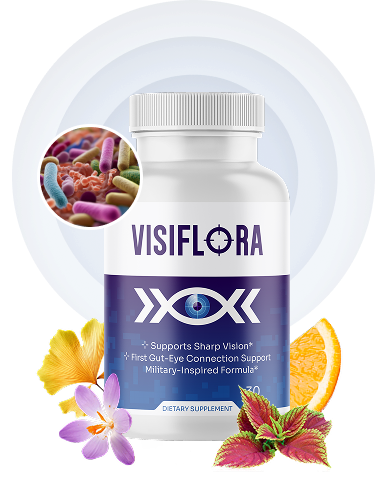
VisiFlora is marketed as a 22-in-1 dietary supplement for vision support with an emphasis on the retina and macula, plus gut health as a lever for better nutrient absorption and less systemic inflammation.
The positioning is basically:
- Give the eyes the nutrients they commonly use (carotenoids, antioxidants, minerals).
- Support circulation and the blood-retinal barrier.
- Improve gut function so the nutrients actually get absorbed and delivered.
According to the product information provided, VisiFlora is:
- Made in the USA
- Made in a GMP-certified, FDA-registered facility
- Non-GMO, gluten-free, vegan capsules
- Third-party tested with a COA certificate (certificate of analysis) for ingredient verification
- Sold online (not a retail-store product)
- Backed by a 60-day money-back guarantee
It also comes with bonus guides:
- Military Vision Protection Manual
- Gut-Eye Healing Protocol
- 48-Hour Vision Jump-Start
I treat those as marketing extras, but sometimes they do include practical habits that make supplements work better, so I won’t dismiss them automatically.
What’s inside VisiFlora? (The 22-in-1 formula, in plain English)
VisiFlora’s formula includes many familiar “eye health” ingredients plus a few that signal a broader approach. The core ingredients and highlights mentioned include:
- Vitamin A
- Lutein
- Zeaxanthin
- Bilberry Extract
- Zinc
- Vitamin C
- Astaxanthin
- Vitamin E
- Chromium
- Selenium
- Copper
- Alpha Lipoic Acid
- Lycopene
- Eyebright
- Quercetin
- Saffron Extract
- Plus circulation and barrier support ingredients (examples mentioned: Ginkgo Biloba, Coleus Forskohlii, Grape Seed Extract, Rutin)
VisiFlora’s pitch is that this combination helps:
- Nourish the retina, optic nerve, and macula
- Support night vision (especially with bilberry + zinc + vitamin A support)
- Filter blue light and reduce oxidative stress (lutein/zeaxanthin, antioxidants)
- Reduce fatigue and strain (astaxanthin, taurine is also mentioned in benefits)
- Improve blood flow and nutrient delivery (ginkgo, coleus)
- Strengthen the blood-retinal barrier (grape seed, rutin, quercetin)
- Improve digestion and absorption (gut-eye angle)
That is a lot of claims, so let’s break down what I think is strong, what is plausible, and what is simply hard to verify without published clinical trials on the full finished product.
Ingredient deep dive: the ones that actually matter (and why)
Lutein + Zeaxanthin (the macula duo)
These two are the backbone of most credible eye formulas for a reason.
- What they do: They accumulate in the macular pigment layer and help filter high-energy blue light and reduce oxidative stress on photoreceptor cells.
- Why I like them: They are repeatedly discussed in eye nutrition research, and they make sense mechanistically for modern screen-heavy lifestyles.
- What to expect: Usually not instant. People who notice changes tend to describe less fatigue, improved comfort, and less “hazy” feeling after long focus sessions over several weeks.
VisiFlora claims clinically studied botanicals and good dosing transparency (no proprietary blends), which I like. If a label hides everything behind a proprietary blend, I treat it as a red flag.
Astaxanthin (my favorite “comfort” antioxidant for screens)
Astaxanthin is one of those ingredients that experienced supplement users bring up for eye strain, especially if you live on a laptop.
- What it does: It’s a potent fat-soluble antioxidant that can support inflammatory balance. It is often discussed in the context of ocular fatigue and light-induced oxidative stress.
- What to expect: When it works for someone, the feedback is usually “my eyes feel less tired” rather than “I have super vision.”
Bilberry extract (night vision marketing, but not useless)
Bilberry has a long history in vision supplements.
- What it’s known for: Anthocyanins that may support capillary integrity and circulation.
- The realistic angle: I view bilberry more as a circulation and antioxidant support ingredient than a guaranteed “night vision enhancer.” Some people report improvements in low-light comfort, but it is not universal.
Zinc + Vitamin A (night vision support basics)
Zinc is concentrated in retinal tissues and is involved in vitamin A metabolism, which matters for low-light vision pathways.
- Why it matters: If you are low in zinc or vitamin A, you might notice night vision issues or slower visual adaptation in dim light.
- Caution: Vitamin A is not something you want to megadose casually, especially if you are pregnant or have specific medical conditions. Follow the label and talk to your clinician if you have any risk factors.
Vitamin C + Vitamin E + Selenium + Alpha Lipoic Acid (oxidative stress stack)
This is the “bodyguard” part of the formula.
- What they do: Support antioxidant defense systems, which matter because the eye is exposed to light and has high metabolic activity.
- What to expect: You won’t “feel” antioxidants the way you feel caffeine, but over time they can matter for comfort and resilience.
Saffron extract (interesting, and I’m glad it’s included)
Saffron is one of the more compelling botanicals showing up in eye health discussions lately.
- What it’s positioned for: Retinal responsiveness, visual function support, antioxidant protection.
- My take: If a formula includes saffron, it tells me the brand is at least paying attention to newer trends in eye nutrition research rather than copying a 2009 ingredient list.
Quercetin, grape seed, rutin (blood-retinal barrier and microcirculation support)
These ingredients are often used to support vascular integrity and oxidative stress.
- Why it matters for eyes: The retina is highly vascular and sensitive. Supporting the “plumbing” and the barrier systems is a logical angle.
- What to expect: Again, this is slow-burn support, not instant results.
The “gut-eye connection” angle: marketing, or legit?
VisiFlora repeatedly frames vision through a digestive and inflammation lens: improve gut health, reduce toxins reaching the eyes, enhance absorption, improve systemic inflammation.
Here’s my honest take:
- The gut affects inflammation.
- Inflammation affects vascular function and tissue health, including eyes.
- Absorption absolutely matters. Many carotenoids and fat-soluble nutrients are wasted if you take them incorrectly or if your diet is extremely low-fat.
So I don’t think it’s crazy. I do think brands can oversell it with “toxins” language. But the practical message is valid: if your digestion is off, your nutrient status can suffer, and that can show up in places like skin, energy, and yes, eyes.
If VisiFlora gets someone to take eye nutrition seriously while also cleaning up diet and absorption habits, that combo is more likely to work than any capsule alone.
What VisiFlora is best for (based on ingredients + user patterns)
Based on the formula and the types of reviews I saw mentioned across platforms (Trustpilot-style sites, Reddit threads, Facebook groups, and forum posts), VisiFlora seems most aligned with people who deal with:
- Digital eye strain
- Eye fatigue after long screen sessions
- General clarity issues tied to fatigue (not prescription issues)
- Long-term macular support goals
- Night driving discomfort (especially if nutrient gaps exist)
Several user reviews reportedly mention reduced eye strain and improved vision. That lines up with what people usually report when lutein/zeaxanthin and astaxanthin hit the mark.
What I’d be cautious about is anyone expecting it to fix:
- High myopia or astigmatism
- Cataracts (as a stand-alone fix)
- Advanced macular degeneration (without medical management)
- Vision changes caused by medications, diabetes complications, or glaucoma
If any of those apply, I consider a supplement supportive at best, and I’d want an eye doctor involved.
How long does VisiFlora take to work?
Based on typical timelines for carotenoids and antioxidant support, plus the notes provided (results often appearing after the second bottle), here’s the realistic timeline I’d tell a friend:
- Days 1 to 7: You might notice nothing. A few people report slightly less dryness or fatigue, but I would not count on it.
- Weeks 2 to 4: Some people start noticing less end-of-day strain or more comfortable screen time.
- Weeks 6 to 12: Better chance of meaningful change, especially with consistency, proper dosing, and taking it with food.
VisiFlora also mentions consistent retinal function improvement over time and that consistency is key. I agree with that.
How to take VisiFlora (and the “small” details that matter)
The usage tip provided is solid and matches what I do with fat-soluble nutrients:
- Dose: Take two capsules daily
- With food: Take it with a meal that contains dietary fat to improve absorption (especially important for lutein, zeaxanthin, astaxanthin, lycopene).
- Timing: Morning use is suggested to align with cortisol peak. Personally, I think consistency matters more than timing, but morning is easier to remember.
- Cycle: A 90-day continuous use followed by a 10-day break is mentioned. I do not think everyone needs to cycle, but I also do not hate the idea if you’re cautious and want periodic resets.
- Lifestyle pairing: Pair with higher-protein meals (also mentioned) and, I’d add, hydration and screen breaks.
If you do one thing besides taking the capsules, do this: take a 20-second distance break every 20 minutes. The supplement can help support tissues, but it cannot undo nonstop near-focus.
My notes on quality, manufacturing, and transparency
Here’s what I look for, and how VisiFlora stacks up based on the info provided:
GMP, FDA-registered facility (good, but understand what it means)
GMP-certified and FDA-registered facilities are positive signals. It means the facility is registered and follows good manufacturing practices.
It does not mean the FDA “approved” the supplement for effectiveness the way it approves drugs. Some brands blur that line. I’m not accusing VisiFlora of doing that intentionally, but I always clarify it for readers.
Third-party testing and COA (this matters)
If VisiFlora provides a COA certificate for ingredient verification, that is a meaningful trust signal. In 2026, I increasingly expect that from any premium-priced supplement.
No proprietary blends (I like this)
Clear labeling matters. “Proprietary blend” often hides under-dosing. If the formula truly has clear labeling, that earns points in my book.
Verified feedback and review credibility (what I trust, what I ignore)
The research approach mentioned includes:
- PubMed searches (35+ peer-reviewed papers)
- Social listening (Reddit, Instagram, TikTok)
- Price tracking analysis
- FOIA requests related to FDA warning letters (a clever way to check for major compliance red flags)
That’s more diligence than most affiliate-style reviews.
Still, my filter is simple:
- I trust reviews that mention specific changes (less strain at 5 pm, less glare when driving, fewer headaches after screens).
- I ignore reviews that read like marketing copy.
- I discount any review that implies a supplement replaced glasses overnight.
Overall sentiment provided is very positive, with ratings around 4.8 to 4.9 out of 5 across several categories like clarity improvement and labeling transparency. That is strong, though I always assume there is some selection bias in supplement reviews.
Pros and cons (my condensed list)
What I like about VisiFlora
- Science-backed “core” eye ingredients (lutein, zeaxanthin, astaxanthin, zinc, vitamins C and E, bilberry)
- Broad formula that also addresses circulation and barrier integrity
- Vegan, gluten-free, non-GMO positioning
- GMP-certified, FDA-registered facility
- Third-party tested with COA verification (as stated)
- No proprietary blends (as stated)
- Simple daily dose
- 60-day money-back guarantee
What I do not like (or would warn you about)
- Premium price if you only buy one bottle
- You need consistency; best results may show after the second bottle
- Potential stock shortages during high demand (common with direct-to-consumer supplements)
- Not suitable for children and likely not for pregnant or nursing women without medical guidance
- Not sold in physical stores, so you are relying on online ordering
Pricing in 2026: what you’ll pay (and what I think is “worth it”)
VisiFlora pricing provided:
- 1 bottle: $69 + $9.99 shipping
- 3 bottles: $59 per bottle (total $177) + free US shipping + 3 free books
- 6 bottles: $49 per bottle (total $294) + free US shipping + 3 free books
My take on the pricing:
- The single bottle is expensive, especially with shipping.
- The 6-bottle bundle is where it starts to look competitive for a 22-in-1 formula, assuming you tolerate it and you are committed to a real trial window (8 to 12 weeks minimum).
- If you are unsure, a 3-bottle bundle is a more reasonable middle ground than the single bottle, because most people need longer than 30 days to evaluate.
Ordering process and where to buy (important)
VisiFlora is positioned as a product you should buy from the official website to ensure:
- Authentic product and verified seal
- Eligibility for the 60-day refund policy
- Access to the bonuses
- Secure checkout (credit card, debit card, PayPal mentioned)
For supplements that are not in retail stores, I agree with buying direct. It reduces the chance of counterfeit product, old inventory, or third-party listing issues.
Safety, side effects, and who should skip it
I’m not your doctor, but here are practical safety points I use for formulas like this:
Who should be cautious or ask a clinician first
- Pregnant or nursing women (especially due to vitamin A considerations)
- People on blood thinners or with bleeding disorders (because of circulation-support botanicals like ginkgo and compounds like quercetin, depending on dose)
- People with chronic medical conditions, especially eye disease under treatment
- Anyone already taking a multivitamin with high vitamin A, zinc, or antioxidants
Possible side effects (common supplement realities)
- Mild digestive upset if taken without food
- Headache or nausea if sensitive to certain botanicals
- Skin color changes are unlikely at standard carotenoid doses but can happen with heavy carotenoid intake over time in general
Also, if you have sudden vision changes, flashes, floaters, or a curtain-like shadow, that is a medical situation, not a supplement situation.
How I would personally stack VisiFlora with lifestyle (to actually get results)
If I were taking VisiFlora for a real trial, I would do it like this:
- Two capsules daily with a meal that has fat (eggs, olive oil, salmon, yogurt).
- Reduce screen brightness and use warm settings at night.
- Take short distance breaks throughout the day.
- Prioritize sleep, because dry eyes and strain get worse fast with poor sleep.
- Keep protein intake adequate and hydration consistent.
- Get baseline eye checks. Supplements work better as support, not as a substitute for monitoring.
That might sound boring, but boring is what actually works.
The bonus guides: useful or fluff?
VisiFlora includes three guides:
- Military Vision Protection Manual
- Gut-Eye Healing Protocol
- 48-Hour Vision Jump-Start
I see these as potentially useful if they include actionable routines like:
- Screen habits and lighting
- Nutrition checklists
- Eye exercise myths vs reality
- Sleep and hydration suggestions
If the “48-hour” angle is framed as a habit reset rather than a promise of restored eyesight, it can be motivating. If it reads like hype, I would ignore it and focus on the supplement consistency.
My overall verdict: does VisiFlora really help vision?
VisiFlora is one of the more thoughtfully positioned eye supplements I’ve reviewed, mainly because it does not rely on a single trendy ingredient. It uses a comprehensive eye nutrition base (lutein, zeaxanthin, astaxanthin, zinc, vitamins C and E, bilberry) and adds circulation and barrier support, plus the gut-absorption narrative that is at least directionally reasonable.
Will it “restore” vision? No, not in the way people mean when they hope they can ditch glasses.
Can it help with visual comfort, strain, clarity tied to fatigue, and long-term macular support? Yes, it has a credible shot, especially if you take it with food, stick with it for 8 to 12 weeks, and you are the kind of person whose eyes are getting punished by screens and inconsistent nutrition.
If you are deciding today, my simplest advice is this:
- If you want to “test” VisiFlora fairly, don’t judge it after one week. Judge it after two bottles.
- If budget matters, the bundle pricing is the only way I’d personally consider it.
- Buy from the official website so you get the return policy and avoid sketchy listings.
That’s the real story in 2026: VisiFlora looks like a strong support supplement, not a miracle cure, and the people who benefit most are the ones who treat it like a consistent nutrition strategy, not a last-minute fix.
VisiFlora FAQs (the questions I’d ask before buying)
Is VisiFlora legit or just another eye supplement?
It looks more legitimate than many, mainly due to the ingredient lineup, GMP and FDA-registered manufacturing claims, third-party testing with COA, and the lack of proprietary blends (as stated). It’s still a supplement, so I judge it as support, not treatment.
How long should I take VisiFlora before deciding?
I would give it 8 to 12 weeks. Many people won’t notice much in the first month, and even the provided notes suggest results often show after the second bottle.
Can VisiFlora help with blue light and screen eye strain?
It is designed for that, indirectly, via lutein and zeaxanthin for blue light filtering support and antioxidants like astaxanthin for fatigue and oxidative stress. Your screen habits still matter.
Should I take it with food?
Yes. Take it with a meal that includes fat for better absorption of carotenoids.
Where should I buy it?
The safest option is the official website to ensure authenticity and refund eligibility.
Is there a money-back guarantee?
Yes, a 60-day money-back guarantee is mentioned.
Final note (from one heavy screen user to another)
If your eyes feel cooked by mid-afternoon, you don’t necessarily need a “stronger” supplement. You need a consistent plan: the right nutrients, better screen habits, and enough sleep.
VisiFlora can fit that plan nicely. It just will not do the whole job by itself.


